Translate Restaurant Guide: Expert Tips for 2026
Navigating global dining in 2026 is more complex than ever. As international travel and multicultural cities grow, both diners and restaurant owners face new challenges. The ability to accurately translate restaurant menus and experiences is now essential for ensuring every guest feels welcome and understood.
Travelers need to understand what they are ordering, manage dietary preferences, and respect local dining customs. Restaurant owners must keep up with these demands to remain competitive and compliant. This guide reveals expert strategies and actionable steps to translate restaurant content effectively, ensuring seamless communication and a memorable dining experience around the world.
The Evolving Need for Restaurant Translation in 2026
Dining out in 2026 is more global than ever, with people exploring new cuisines and cultures daily. As the world becomes increasingly connected, the need to translate restaurant content has never been more urgent. Whether you are a traveler seeking to understand a local menu or a restaurant owner aiming to serve diverse guests, clear communication is essential.
Globalization and Multilingual Dining Trends
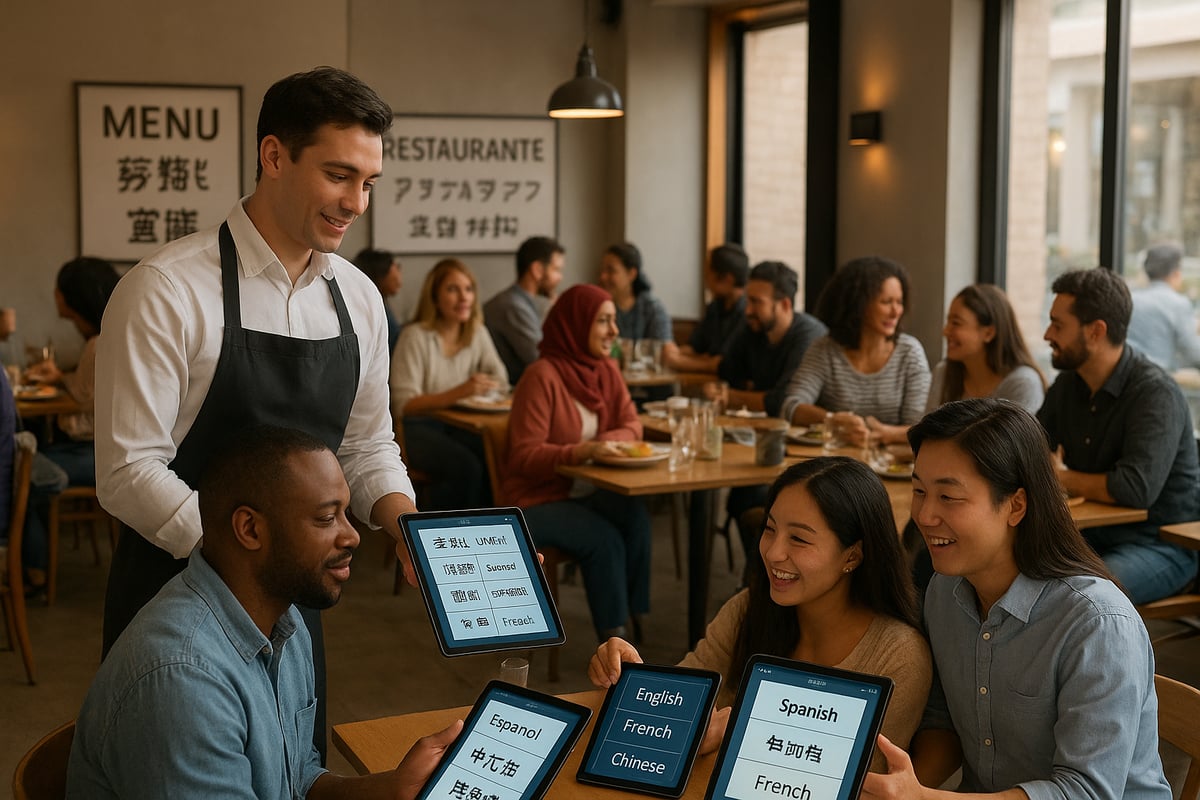
Cities worldwide are experiencing rapid growth in international tourism and increasingly diverse populations. In places like Paris, New York, and Tokyo, it is now expected that restaurants offer menus in several languages. Over 60% of travelers say language barriers influence their choice of where to dine, making it crucial to translate restaurant menus for accessibility.
Fusion cuisine and cross-cultural dining are on the rise, blending flavors and traditions from different parts of the world. This trend challenges restaurants to translate restaurant offerings accurately, respecting both language and culinary heritage.
Consider the following comparison of key cities and their multilingual menu requirements:
| City | Languages Commonly Required | Regulatory Status |
|---|---|---|
| Paris | French, English, Spanish | Recommended |
| New York | English, Spanish, Chinese | Often Mandatory |
| Tokyo | Japanese, English, Chinese | Increasingly Expected |
The ability to translate restaurant materials effectively helps bridge cultures and attract a broader clientele.
Legal and Regulatory Requirements
As of 2026, food labeling and allergen disclosure laws have become stricter, especially in the EU, US, and parts of Asia. Regulations now demand that restaurants provide standardized, multilingual menus to ensure diners are informed and safe. For example, updates to the EU's FIC Regulation require allergen information to be available in multiple languages, while New York's language access laws enforce clear communication for all customers.
Penalties for failing to translate restaurant menus properly can include hefty fines or negative publicity. Non-compliance with food labeling laws exposes businesses to legal risks and undermines customer trust.
Restaurant operators must keep up with evolving regulations, ensuring their menu translations are accurate and up to date. This regulatory landscape makes the decision to translate restaurant information not just a courtesy, but a legal necessity in many regions.
Customer Expectations and Digital Transformation
Diners in 2026 expect digital solutions that cater to their language needs. With 75% preferring menus in their native language, the pressure to translate restaurant menus digitally is intense. Technology plays a vital role in meeting these demands, from translation apps to integrated digital menu platforms.
Social media and online reviews amplify expectations. A poorly translated menu can quickly lead to negative feedback, while seamless multilingual experiences enhance reputation and customer loyalty. Major restaurant chains now adopt platforms that offer instant, accurate translation, such as those with Multilingual Menu Features, to streamline the process.
As digital menus become the norm, the ability to translate restaurant content efficiently is a competitive advantage. Tools that provide real-time menu translation and support multiple languages help restaurants serve international guests effortlessly.
Key Challenges in Translating Restaurant Content
Navigating the challenges to translate restaurant content in 2026 demands more than simple word-for-word conversion. Multilingual dining is now the norm, but accuracy, context, and compliance make the process complex. Let us explore the main hurdles you will face and how to overcome them for seamless global dining experiences.
Linguistic Nuances and Cultural Context
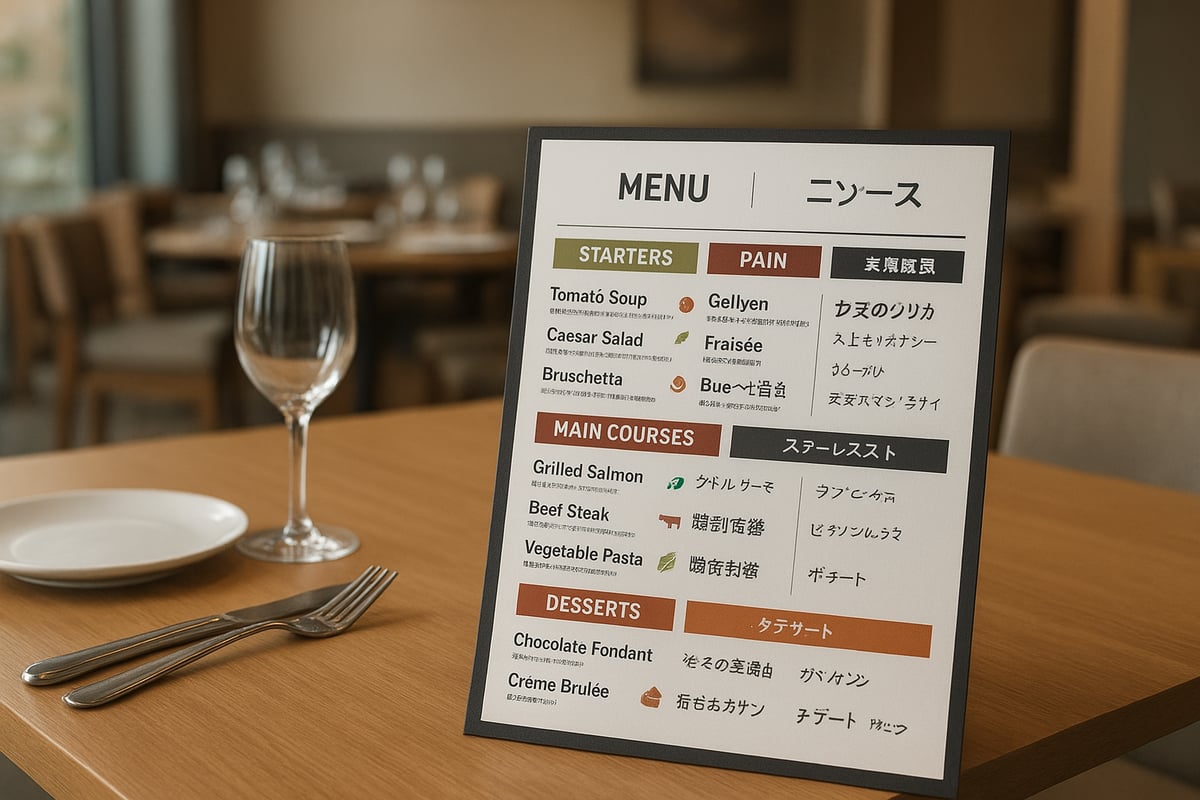
When you translate restaurant menus, literal translations can lead to confusion or even embarrassment. Dishes with regional names or cultural significance often lose their essence if not localized. For instance, the word "entrée" means appetizer in France, but main course in the US. "Tapas" in Spain are not simply "small plates" in other countries.
Common pitfalls include:
- Directly translating idioms or colloquial phrases
- Ignoring local customs around dining or food preparation
- Overlooking the cultural meaning of dish names
Localization ensures your translations fit both the language and culinary culture. Relying on Importance of Menu Localization can help avoid misinterpretations and preserve authenticity. Remember, to translate restaurant content effectively, native-speaking expertise is crucial for guest satisfaction.
Technical and Formatting Issues
Formatting is another challenge when you translate restaurant content for print, web, or mobile. Each platform has different requirements, and poor formatting can disrupt readability. For example, right-to-left scripts like Arabic or Hebrew require mirrored layouts, while Asian languages may need different font support.
Key technical considerations:
- Ensuring consistent menu design across languages
- Supporting unique character sets and font sizes
- Adapting layouts for side-by-side or tabbed translations
A clear, accessible design helps diners compare options easily. Always preview your translated menus on every device to catch formatting errors and maintain a professional appearance.
Allergen, Dietary, and Legal Terminology
Precision matters when you translate restaurant terminology related to allergens, diets, and regulations. Mistranslations can put diners at risk and expose your business to legal action. Terms like "gluten-free," "halal," or "vegan" must be accurate and culturally appropriate in every language.
Examples of terminology challenges:
- Varying definitions for dietary terms regionally
- Legal requirements for allergen disclosure in multiple jurisdictions
- Differences in food labeling standards
To translate restaurant menus safely, standardize your terminology and consult legal guidelines for each target market. Cross-check terms with industry-approved resources before publishing.
Machine vs. Human Translation
Choosing between AI-powered tools and professional translators is a key decision when you translate restaurant materials. Machine translation offers speed and cost savings, but may falter with food-specific terms or cultural context.
Pros of machine translation:
- Fast updates for daily specials
- Lower costs for high-volume content
Cons:
- Lower accuracy for nuanced or legal language
- Inconsistent handling of regional dishes
Professional translators bring expertise, especially for marketing materials or compliance documents. For best results, use AI for routine updates and human experts for critical or sensitive content. This hybrid approach ensures your translated restaurant content is both efficient and reliable.
Step-by-Step Guide: Translating Restaurant Menus and Materials
Translating restaurant content in 2026 is more than converting words from one language to another. To truly meet the needs of global diners, restaurants must adopt a systematic approach. This step-by-step guide will help you translate restaurant menus and materials efficiently and accurately, ensuring a seamless experience for every guest.
Step 1: Assess Your Audience and Languages Needed
To translate restaurant content effectively, begin with a clear understanding of your audience. Analyze your customer base by reviewing reservation data, POS analytics, and social media feedback. Identify which languages are most commonly spoken by your guests.
For example, if your restaurant is in a tourist hotspot, you may prioritize English, Mandarin, and Spanish. In local neighborhoods, focus on community languages. This targeted approach ensures you translate restaurant menus for the right audiences, maximizing impact.
List for audience assessment:
- Gather guest language data from digital reservations
- Review online reviews for language clues
- Ask staff for common language requests
By knowing your diners, you can allocate translation resources wisely and avoid unnecessary translations.
Step 2: Choose the Right Translation Approach
Selecting the best method to translate restaurant menus depends on your needs. In-house bilingual staff are ideal for quick updates but may lack expertise in culinary terminology. Professional translation agencies offer high accuracy, especially for legal and allergen terms. AI-powered platforms like DeepL or Google Translate provide speed and convenience, though they may require human review for cultural nuance.
Comparison Table:
| Approach | Cost | Speed | Accuracy |
|---|---|---|---|
| In-house staff | Low | Fast | Moderate |
| Professional services | High | Moderate | High |
| AI-powered platforms | Low | Instant | Moderate |
Choose a blend that fits your budget and quality expectations. For example, use AI for daily specials and professionals for core menu items to translate restaurant content efficiently.
Step 3: Prepare Your Menu Content for Translation
Preparation sets the foundation for accurate translation. Organize all menu items, dish descriptions, and allergen info into editable digital files. Remove jargon, clarify ambiguous terms, and standardize measurements to avoid confusion.
Consider leveraging Digital Menus for Restaurants to streamline this process, as digital platforms make it easier to update and manage content in multiple languages.
Checklist for preparation:
- Use simple, clear language
- Separate allergen and dietary information
- Ensure all content is editable and up-to-date
Taking these steps will simplify the process to translate restaurant materials and reduce errors in the final product.
Step 4: Translate and Localize
Now, collaborate with native speakers or trusted translators to translate restaurant menus. Go beyond word-for-word translation by localizing dish names, ingredient lists, and preparation methods. For example, adapt spice levels for different cultures or rename dishes to resonate with local diners.
Pay attention to cultural sensitivities, such as avoiding pork references in halal menus or highlighting vegetarian options for certain communities. The goal is to create a menu that feels familiar and welcoming, regardless of language.
Tips for localization:
- Adjust terminology for local dietary habits
- Use familiar ingredient names
- Avoid direct translation of idioms or brand names
This thoughtful approach will help you translate restaurant experiences authentically.
Step 5: Review, Test, and Iterate
Quality assurance is crucial. After you translate restaurant materials, conduct reviews with native diners or focus groups. Use back-translation—translating back into the original language—to check for accuracy. Encourage staff and customers to provide feedback on clarity and cultural appropriateness.
Iterate based on real-world feedback. Update translations regularly, especially when introducing new dishes or seasonal specials. This continuous improvement ensures your efforts to translate restaurant content deliver lasting value.
Key review steps:
- Organize native speaker tastings
- Use digital feedback forms
- Schedule periodic translation audits
By following this process, you can keep your restaurant's multilingual offerings relevant and effective.
Best Practices for Multilingual Restaurant Communication
Navigating global dining in 2026 means restaurants must communicate with clarity across languages. To translate restaurant menus and experiences effectively, operators need strategies that blend design, technology, and staff training. The following best practices help ensure smooth multilingual operations and customer satisfaction.
Menu Design and User Experience
Clear menu design is essential to translate restaurant offerings for a diverse audience. Use side by side language layouts, icons, and QR codes to make navigation simple. Incorporate images, as menus with visuals see 40 percent higher engagement.
AI powered digital menus are increasingly popular for restaurants serving international diners. Platforms offering Multilingual Digital Menus enable instant translation, QR access, and better customer satisfaction. When you translate restaurant content visually, you bridge language gaps and make choices easier for all guests.
Consider using tables to display allergens, dietary symbols, and dish names in multiple languages. This approach organizes information and supports accessibility.
Staff Training and In-Person Communication
Effective communication goes beyond digital tools. Training staff to translate restaurant highlights, key menu items, and common dietary terms builds trust with guests. Equip front of house staff with language cards or portable translation devices for quick assistance.
Role playing scenarios in training sessions help staff practice answering questions about ingredients, allergens, and preparation methods. Encourage staff to greet guests in several languages, creating a welcoming environment.
Develop quick reference guides for staff, covering essential phrases and explanations for popular dishes. This enables consistent service regardless of the guest's language.
Digital Tools and Integrations
Leveraging technology can streamline the process to translate restaurant materials. Use translation plugins for websites and reservation systems to provide seamless language switching. Integrate multilingual chatbots to answer customer queries in real time.
Browser extensions like DeepL and Google Translate API offer instant translation for digital menus. Syncing these tools with your POS or delivery platforms ensures menu updates are reflected across all channels.
Monitor the effectiveness of digital solutions regularly. Analytics platforms can help you identify which languages are most used and which menu items may need clearer translations.
Handling Special Dietary Needs and Allergens
Accurate allergen and dietary labeling is vital when you translate restaurant content. Use standardized symbols for common allergens, vegan, vegetarian, halal, and gluten free options. Pair these icons with clear, multilingual explanations.
Create a table listing allergens in each dish, translated for every language offered. This reduces confusion and legal risk, especially for international diners with specific dietary needs.
Regularly review menu translations for legal compliance. Stay updated with evolving food labeling laws to ensure all information is correct and accessible to every guest.
Choosing the Right Technology for Restaurant Translation
Navigating the world of translate restaurant solutions in 2026 requires both strategic thinking and technological expertise. With diners expecting seamless communication across languages, choosing the right tools is crucial for global success. In this section, explore how to assess, compare, and implement the best technology to translate restaurant content, ensuring accuracy and efficiency.
Overview of Leading Translation Solutions
The market for translate restaurant technology is expanding rapidly, with several major players dominating the landscape. DeepL, Google Translate, and Microsoft Translator lead the way, each offering unique advantages for restaurant owners.
| Solution | Key Features | Business Rating |
|---|---|---|
| DeepL | Glossary management, document translation, API integration | 4.8/5 by 200,000+ businesses |
| Google Translate | Broad language support, web/mobile, text/image translation | 4.5/5 |
| Microsoft Translator | Integration with Microsoft ecosystem, real-time translation | 4.6/5 |
When you translate restaurant menus, accuracy is paramount. DeepL is often praised for its natural-sounding translations, while Google and Microsoft excel in broad accessibility. For those considering automated systems, recent research on Evaluating Menu OCR and Translation provides valuable insights into the effectiveness of AI-driven solutions for restaurant menus.
AI-Powered vs. Human Translation: When to Use Each
Selecting the right approach to translate restaurant content depends on your needs. AI-powered translation tools are ideal for high-volume, routine updates such as daily specials or digital menus. They offer speed and cost efficiency, especially when integrated with menu management platforms.
However, human translators remain essential for nuanced content like marketing materials, legal disclaimers, or culturally sensitive menu items. While machines handle standard phrases well, they may struggle with culinary terms or regional dishes. A hybrid approach, using AI for initial drafts and human experts for refinement, is often the best way to translate restaurant materials for accuracy and context.
Integration with Restaurant Operations
Technology to translate restaurant content must fit seamlessly into daily workflows. This means syncing translations with your POS, online ordering, and delivery systems. Modern digital menu platforms offer built-in translation features, auto-syncing updates across all customer touchpoints.
For optimal customer experience, consider how language preferences are presented across your digital assets. Following Language Preferences in UX Design helps ensure intuitive language selection and menu navigation for international diners. Integration with QR codes and multilingual chatbots further streamlines communication and enhances engagement.
Carta: Multilingual Digital Menus for Modern Restaurants
Carta stands out as a comprehensive solution to translate restaurant menus and digital experiences. With AI-powered instant translation, rich image galleries, analytics, and QR code access, Carta empowers restaurants to serve international guests effortlessly.
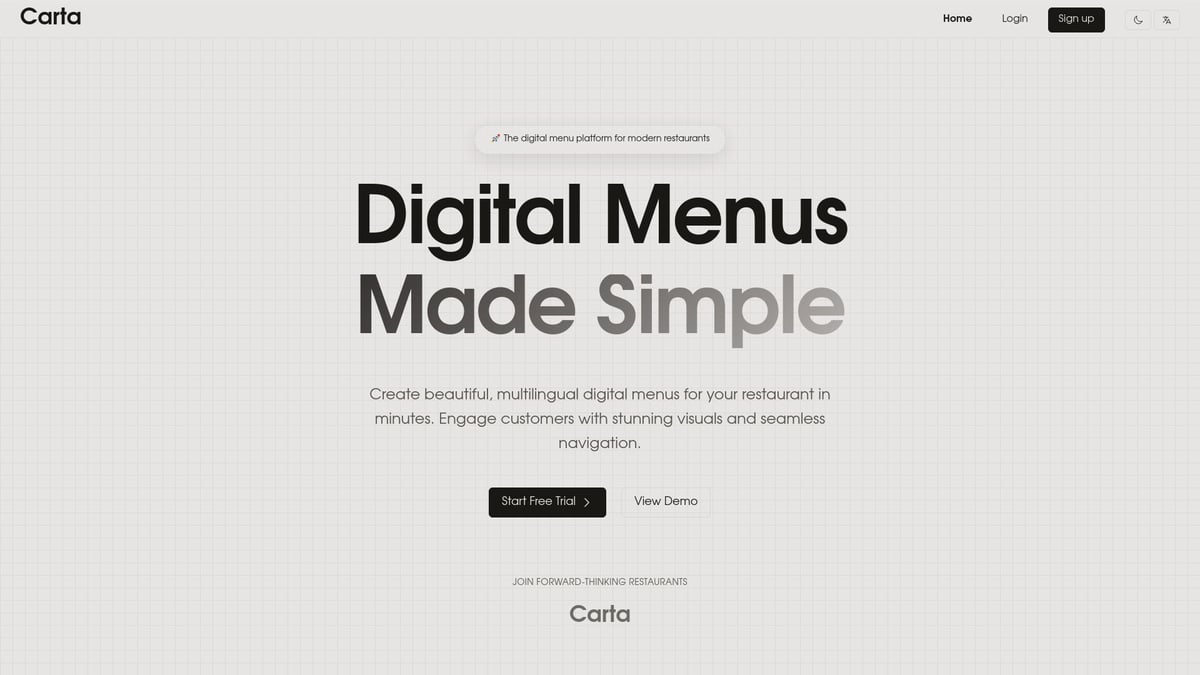
Benefits include reduced translation workload, higher customer satisfaction, and advanced analytics to track menu performance. Flexible plans—Free, Premium, and Unlimited—make Carta accessible to businesses of all sizes. Whether you operate a local café or a global chain, adopting a platform like Carta helps translate restaurant menus efficiently and elevate the dining experience for every guest.
Future Trends in Restaurant Translation and Customer Experience
The translate restaurant landscape is evolving rapidly as technology and customer expectations intersect. Looking ahead to 2026, several emerging trends are poised to redefine how restaurants communicate with international diners and enhance guest satisfaction.
Voice Translation and Real-Time Communication
Voice-based technology is transforming how restaurants interact with guests. Solutions like DeepL Voice and multilingual ordering kiosks enable real-time conversations between staff and diners, regardless of language barriers. For restaurants aiming to translate restaurant experiences seamlessly, these tools create instant understanding and reduce miscommunication. As adoption grows, expect ordering and customer service to become more efficient, especially in busy, multicultural venues.
Personalized and Adaptive Menus
AI-driven systems are making it possible to translate restaurant menus dynamically based on customer profiles. Personalized menus can adjust language, dietary options, and even portion sizes for returning guests. This level of customization helps guests feel understood and valued. By leveraging data and AI, restaurants can anticipate needs, ensuring every guest receives a tailored dining experience that matches their expectations.
Regulatory and Industry Developments
Regulations in 2026 are pushing restaurants to translate restaurant content with even greater accuracy. Anticipated changes include stricter food labeling laws and enhanced accessibility requirements. Governments are encouraging universal iconography and standardized allergen labeling to protect diverse diners. Staying informed and compliant not only avoids penalties but also builds trust with international customers, making compliance a competitive advantage.
The Role of Cultural Authenticity
Balancing translation accuracy with preserving a restaurant's unique story is crucial. Diners increasingly seek authentic cultural experiences, not just literal menu translations. Many restaurants use storytelling and visual elements to convey their heritage across languages. For examples of how multicultural venues adapt their communication, see Restaurant Use Cases, which highlights approaches that maintain both clarity and authenticity.
Data-Driven Insights and Continuous Improvement
To translate restaurant content effectively, analytics are essential. Restaurants are now using advanced tools to monitor how translated menus impact guest satisfaction and sales. By tracking feedback and engagement, businesses can update translations and optimize content regularly. Platforms offering Analytics for Menu Translation empower managers to make data-driven decisions, ensuring continuous improvement and a superior dining experience for every guest.